Focused arrival windows
Useful updates and clear arrival timing.
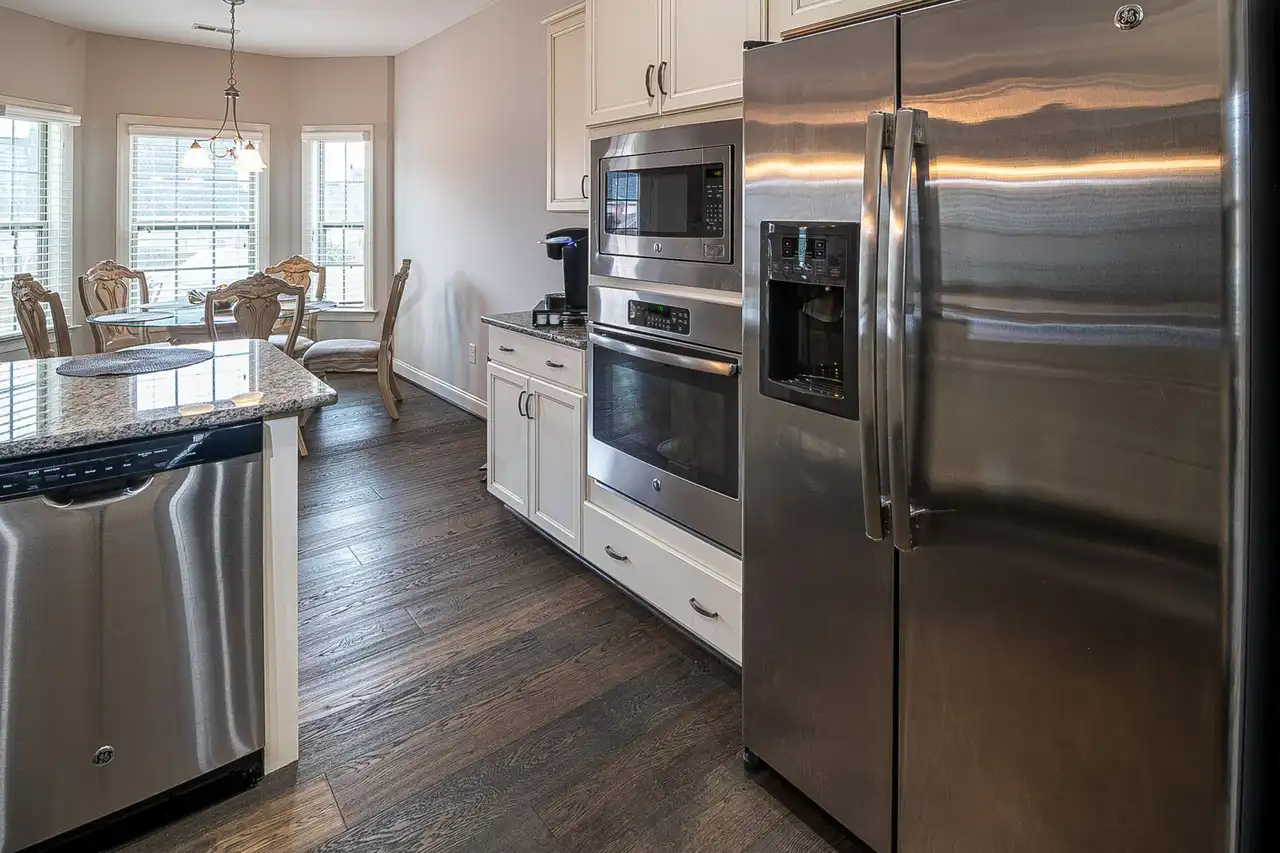
A refrigerator leak in Cibolo usually comes from a clogged or frozen drain line, a cracked water inlet valve, or a split dispenser line. Water pools under crispers or spreads across the kitchen floor. Shut off the supply line, mop up standing water, and get the source traced before floors swell.
Useful updates and clear arrival timing.
Review the approach and price before deciding.
Equipped vehicles and respectful cleanup.
Neighbors serving neighbors with follow-through.
A standard refrigerator leak repair visit in Cibolo includes the full diagnostic routine below, a written quote, the approved repair, and a post-repair test under load. Parts that must be ordered are scheduled as a return visit with the price already agreed — the scope you approve is the scope you pay for.
Full leak source tracing is part of the standard refrigerator leak repair visit in Cibolo, not an upsell. We perform it on every call because skipping steps is how faults get misread: the check takes minutes, documents the real condition of your fridge, and feeds directly into the written quote you approve before any repair work begins.
Defrost drain clearing is part of the standard refrigerator leak repair visit in Cibolo, not an upsell. We perform it on every call because skipping steps is how faults get misread: the check takes minutes, documents the real condition of your fridge, and feeds directly into the written quote you approve before any repair work begins.
Inlet valve inspection is part of the standard refrigerator leak repair visit in Cibolo, not an upsell. We perform it on every call because skipping steps is how faults get misread: the check takes minutes, documents the real condition of your fridge, and feeds directly into the written quote you approve before any repair work begins.
Fill tube and line check is part of the standard refrigerator leak repair visit in Cibolo, not an upsell. We perform it on every call because skipping steps is how faults get misread: the check takes minutes, documents the real condition of your fridge, and feeds directly into the written quote you approve before any repair work begins.
Dry-test before we leave is part of the standard refrigerator leak repair visit in Cibolo, not an upsell. We perform it on every call because skipping steps is how faults get misread: the check takes minutes, documents the real condition of your fridge, and feeds directly into the written quote you approve before any repair work begins.
Share what is happening and receive a clear next step from the local team.
Homeowners picture a burst pipe. Most fridge leaks are smaller and sneakier. We diagnose the whole system, not just the first wet spot, because water travels along the floor and along lines inside the cabinet.
If the freezer side is also warming up, read our refrigerator not cooling guide as well — a frozen drain and a cooling problem often share a defrost failure. If the leak started right after ice production slowed, our ice maker repair page covers that overlap.
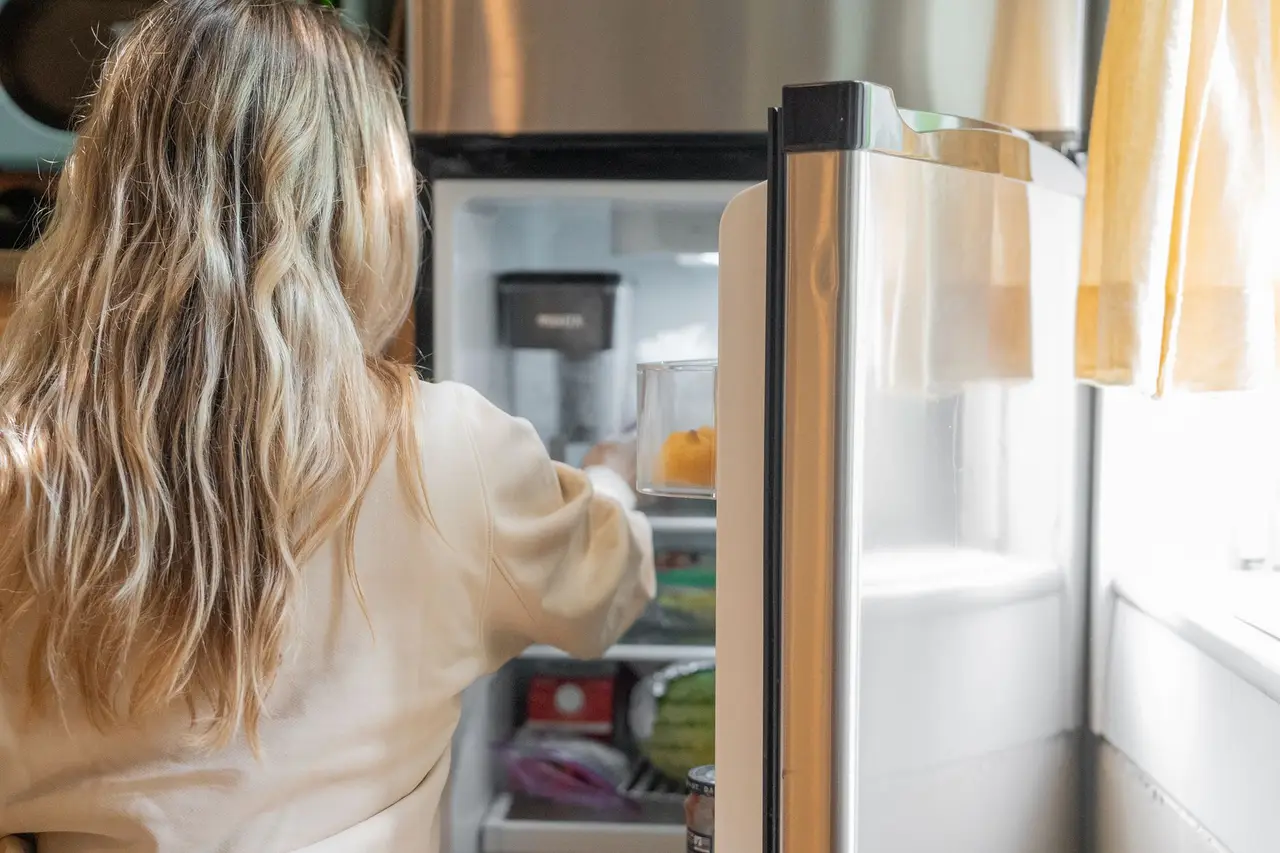
You call (830) 555-0147 and describe the symptom: what the fridge is doing, when it started, and whether the freezer still cools. Have the brand and model number ready if you can find them. A knowledgeable staff member logs the details your technician will actually use, so the visit starts with the right checks — and often the right part — already planned.
We confirm your address, zip code and an arrival window that fits school runs, shifts and real Cibolo life, with flexible scheduling where the day allows. The diagnostic is one flat fee, confirmed before we dispatch, and you hear it before the truck rolls. If a same-day slot honestly exists for your area, we offer it; if not, you get the earliest real one.
The technician inspects the whole system — cooling, airflow, defrost, electrical and water components — instead of testing only the part your symptom points at. That full check is what separates a diagnosis from a guess: several different failures produce the same symptom, and the tests are how we tell them apart before your money is involved.
You get an explanation of the problem in plain language and a written quote with labor and parts separated. If the repair fails the 50% rule against replacing the fridge, we say so at this step. Nothing is fitted, ordered or charged until you approve the number and know exactly what it covers, including the warranty on completed work.
We complete the approved repair — common parts are often fitted on the first visit — then test the appliance under real conditions before leaving. Temperatures are confirmed falling, fans run as they should, and water systems are checked dry. We explain what to watch over the next 24 hours, and your invoice states the written parts-and-labor warranty terms in plain text.
Tests start relays, thermostats, defrost heaters, fan motors and control outputs so electrical faults are proven with readings, not guessed from symptoms.
Reads sealed-system pressures on compressor calls, confirming whether refrigerant charge or compression loss is the real fault before anyone quotes sealed-system work.
Sniffs refrigerant leaks at joints, evaporators and service ports, so a sealed-system diagnosis rests on evidence rather than a hunch about a warm fridge.
Maps temperatures across the fresh-food and freezer sections and at the vents, showing exactly where cold air is — and is not — reaching during diagnosis.
Cleans condenser coils and straightens bent fins, restoring the heat rejection that dusty Cibolo coils lose, especially on garage and pet-household units.
Every visit tests cooling, airflow, defrost, controls and water parts as one system. Parts in a fridge fail in chains — a weak fan frosts an evaporator, which mimics a compressor fault — and this method is how we find the first failure instead of the loudest symptom.
After any repair we confirm real temperatures — at or below 40°F in the fresh-food section and 0°F in the freezer — with the fridge closed and running, not just powered on. A repair that does not move temperatures has not fixed anything, whatever the part invoice says.
Diagnosis ends with labor and parts priced separately, in writing, before the repair starts. One short sentence covers our whole pricing policy: the number you approve is the number you pay for the approved scope, and changes are re-quoted, never buried.
We triage by food risk, check airflow, coils and fans first — the heat-wave failure pattern — and quote the proven fault in writing. Temperatures verified back at or below 40°F and 0°F, with the food-safety clock explained so you know what is still safe to keep.
We run the same whole-system diagnosis, send the written quote to whoever approves payment, and complete the repair with the warranty terms stated on the invoice. One documented visit, one agreed number, and a fridge that passes a temperature check — no open-ended repair saga for either side.
We re-diagnose from the top, testing the parts chain that produces the symptom instead of replacing the same part again, and we show you the readings behind the conclusion. The root cause is repaired and covered by a written parts-and-labor warranty, with the failure chain explained so a third visit is unlikely.
A $100–$250 drain or valve job ignored for two weeks can become floor repair and cabinet work. We would rather tell you on the phone to shut the water off and lay a towel dam than sell a bigger job later. While you wait, note whether the leak pulses with the ice maker cycle or runs constantly — that gives us a quick diagnosis before we open the back panel.
One of Cibolo's established subdivisions, where many homes date from the 2000s and original or second-owner fridges are now deep into fan, defrost and ice maker failure age.
Family homes off FM 1103 with a heavy share of French-door Samsung and LG packages — the two brand patterns we check first on not-cooling and ice maker calls here.
Homes here skew to the same 2000–2019 build window as most of Cibolo, so start relays, condenser fans and gaskets dominate our Falcon Ridge call list.
Newer builds with builder-grade appliance packages now reaching 3–8 years old — ice maker and compressor watch age for the brands builders install most.
Refrigerators are tested at about 90°F ambient. Above that, compressors run longer, sides feel hot, and a fridge that coped in May falls behind in August — heat turns marginal fans and dirty coils into no-cooling calls.
Scale slowly chokes ice maker fill tubes and inlet valves and shortens water filter life across Cibolo. Any ice or dispenser complaint here gets a water-supply check before parts are quoted.
Summer storms along the I-35 corridor cause power blips that stress start relays and control boards. A fridge that fails right after an outage gets an electrical-first diagnosis, not a sealed-system quote.
A French-door fridge in Bentwood Ranch held 0°F in the freezer while the fresh-food section sat at 52°F and milk soured in two days. The homeowner had been quoted a compressor by phone before anyone visited.
Testing found a frost-choked evaporator and a failed defrost heater — a $100–$250 repair pattern, not a sealed-system job. After the repair and a drain clear, the fresh-food section held 37°F through a full day of normal use.
Maintenance: Keep the freezer vents unblocked, check the door gasket with a dollar bill twice a year, and call at the first sign of frost returning to the back wall.
A side-by-side in Cibolo Valley Ranch made no ice for a week, with water pooling under the crisper drawers. The maker had been replaced once already by a previous owner, and the fault came straight back.
The real cause was upstream: mineral scale had choked the inlet valve and frozen the fill tube, while a clogged defrost drain caused the pooling. Valve replacement, a thawed fill tube and a cleared drain restarted ice production the same visit, in the $100–$300 pattern.
Maintenance: Change the water filter on schedule for Cibolo's mineral-heavy water, and treat small or hollow cubes as an early warning rather than a nuisance.
A second fridge in a Steele Creek garage quit every afternoon once the garage passed 120°F, then restarted by morning. The owner expected a replacement quote and had already priced new units.
The condenser coil was matted with dust and the condenser fan was failing, so the compressor overheated and tripped daily. A coil cleaning, a fan replacement and airflow space around the unit — a $100–$250 pattern — carried it through the rest of the summer.
Maintenance: Vacuum garage fridge coils before June, keep boxes and storage clear of the sides, and expect any garage unit to work harder above 90°F ambient.
Three failure patterns account for most refrigerator leak repair calls in Cibolo. Each one shows why the diagnosis — not the part — is the product you are actually buying.
Guessing at the expensive part first can turn a $100–$250 fan, defrost or control repair into an $800 sealed-system bill — and the fridge still does not cool, because the real fault was never found. On every refrigerator leak repair call we test the full system before quoting: fans, defrost parts, controls, airflow and water components. The written quote names the part the evidence supports, and if the expensive part genuinely failed, you see the test results that prove it before you decide.
Perishables held above 40°F for more than two hours should be discarded — one hour if the room is above 90°F — so every day of scheduling drift is measured in thrown-away groceries, not just inconvenience. We triage refrigerator leak repair calls by food risk, tell you the earliest honest slot on the first call, and explain how to protect food while you wait: doors closed, an unopened fridge holds safe temperatures about four hours, and a full freezer about 48 hours.
Repeat failures usually mean the first visit fixed the symptom — frost, a noisy fan, a warm section — without fixing the cause that produced it, so you pay for the same breakdown twice. We trace the failure chain end to end: a weak fan frosts an evaporator, a torn gasket overloads a defrost cycle, scale starves an ice maker. The repair addresses the first link in that chain, and completed work is covered by a written parts-and-labor warranty stated on your invoice.
$100 - $350 depending on scope
Most refrigerator repairs nationally average $275, with most jobs landing between $150 and $400, per Angi figures updated in October 2026. Leak work usually falls in the lower half of that range unless a second part has failed.
Leak repairs typically run $100–$350 depending on whether the source is a drain line, an inlet valve or the dispenser system. Against a replacement fridge at many times that figure — and the 10–13 year typical lifespan — a correctly diagnosed repair usually returns years of service for a fraction of replacement cost, which is the comparison we walk through with you before you approve anything.
Parts drive the spread in every refrigerator quote: a start relay or fan motor is a modest part, a control board costs more, and a compressor is the most expensive component in the appliance. That is why the same symptom can honestly price at $150 on one fridge and $600 on another.
A top-freezer unit with open access is a shorter job than a French-door model with an in-door ice system or a built-in that needs panel care. French-door repairs nationally run $250–$600 and built-ins $300–$700, largely because access and parts handling take longer.
Work inside the sealed system — compressor, refrigerant lines, evaporator — needs gauges, recovery equipment and EPA Section 608 handling, and it prices accordingly at $300–$800. Electrical, airflow, defrost and water repairs sit well below that band, which is why proving which side of the line your fault is on matters.
A leak caught early is a drain line; a leak caught late can be flooring. A fridge run warm for weeks can stress a compressor that was fine in June. Early diagnosis keeps the quote to the original fault instead of the fault plus everything it damaged while it waited.
Every defrost cycle melts frost off the evaporator coil. That water should run down a small drain line to a pan under the fridge, where warm air evaporates it. Food crumbs, ice, and mineral build-up choke that line. Once it blocks, each defrost cycle adds more water with nowhere to go.
We publish only verified reviews from completed jobs. Cibolo customer reviews will appear here as jobs are completed.
The most common cause is a clogged or frozen defrost drain line. Melt water from the defrost cycle backs up and spills inside or underneath the fridge. A cracked water inlet valve and a split supply line are the next most common causes.
The water itself can damage floors and cabinets quickly, and water near an outlet or a damaged cord is an electrical concern. Shut off the water supply, keep the area dry, and unplug the unit if water reaches the cord. Then book a repair.
Often yes for a short period if cooling is normal and you have shut off the water line to the ice maker and dispenser. Do not keep using a dispenser or ice maker that leaks on each cycle. If cooling is also failing, move perishables to a cooler with ice.
Many leak repairs fall between $150 and $400 nationally, with drain and dispenser work often at the lower end and valve work overlapping the $100–$300 range. Your diagnostic is one flat fee, confirmed before we dispatch, and we quote the full repair before work begins.
Not seeing your question? Our local team can help you understand urgency, scheduling and what to expect.
Ask the local team
Full-system refrigerator repair in Cibolo for cooling failures, leaks, noises and control faults. We test the sealed system, both fans, the defrost cycle and the controls before quoting a single part, so the fix addresses the actual cause. Most common repairs run $150–$400 nationally.
View serviceIce maker repair for units making no ice, hollow cubes, or freezing up inside the fridge. Cibolo's mineral-heavy water chokes fill tubes and inlet valves, so we check water supply and scale as well as the maker itself. Samsung French-door freeze-ups are a known pattern we diagnose weekly.
View service
Freezer repair for compartments that will not hold 0°F, thaw food, or bury everything in frost. We check the evaporator fan, defrost heater and timer, door gasket and drain before suspecting the sealed system. A freezer running constantly in a 96°F Cibolo August needs airflow checked first.
View service
Sealed-system and compressor diagnosis, including the honest repair-or-replace call. Compressor work typically runs $300–$800, so we confirm the diagnosis with gauges and electrical tests before quoting, and apply the 50% rule with you. Refrigerant work is EPA Section 608 work — ask us about it.
View service
Call (830) 555-0147 and a knowledgeable staff member will ask about your brand, model number, zip code and symptoms, then offer the earliest honest arrival window. Every completed repair is covered by a written parts-and-labor warranty, and every quote is explained before work starts — that is how refrigerator repair in Cibolo should work.
Prefer to start with information instead of a booking? The cost guide, error-code library and diagnosis articles on this site are written from the same Cibolo job patterns our technicians see weekly, and they are free to read before you ever call. When you are ready, the number is (830) 555-0147 and the diagnostic fee is confirmed before we dispatch — no surprises at the door.